
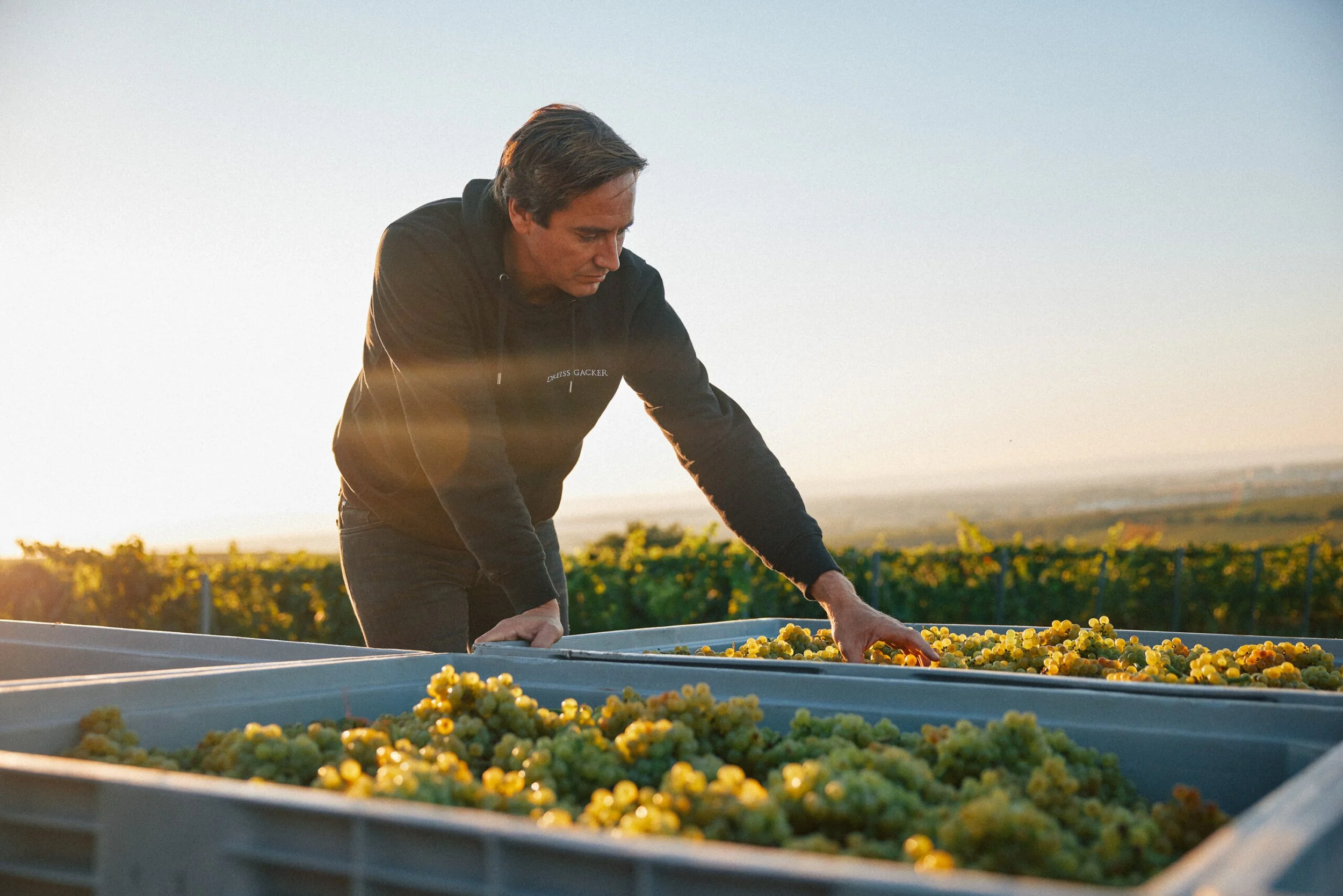
Jochen Dreissigacker
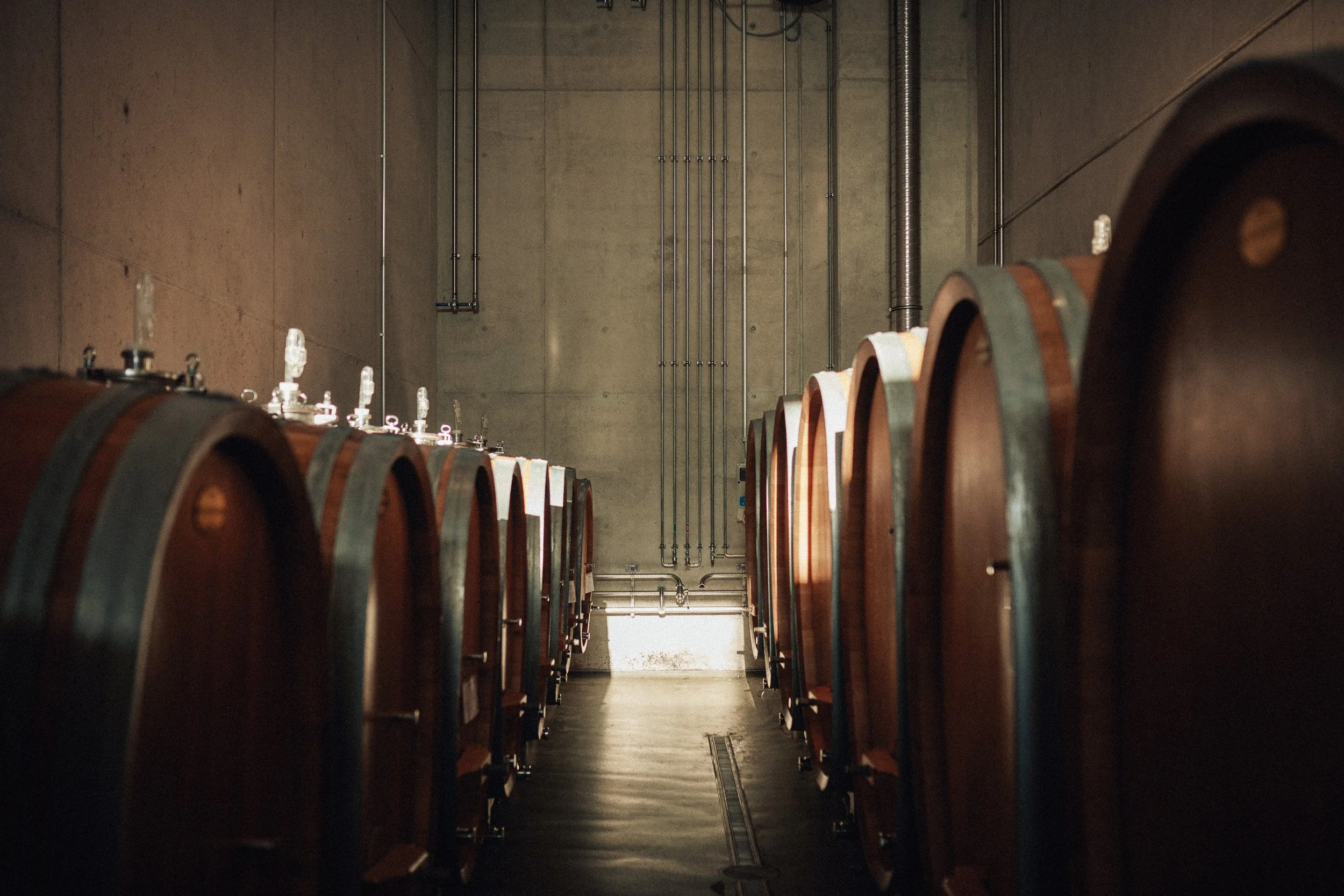
Stockinger Oak Barrel Room
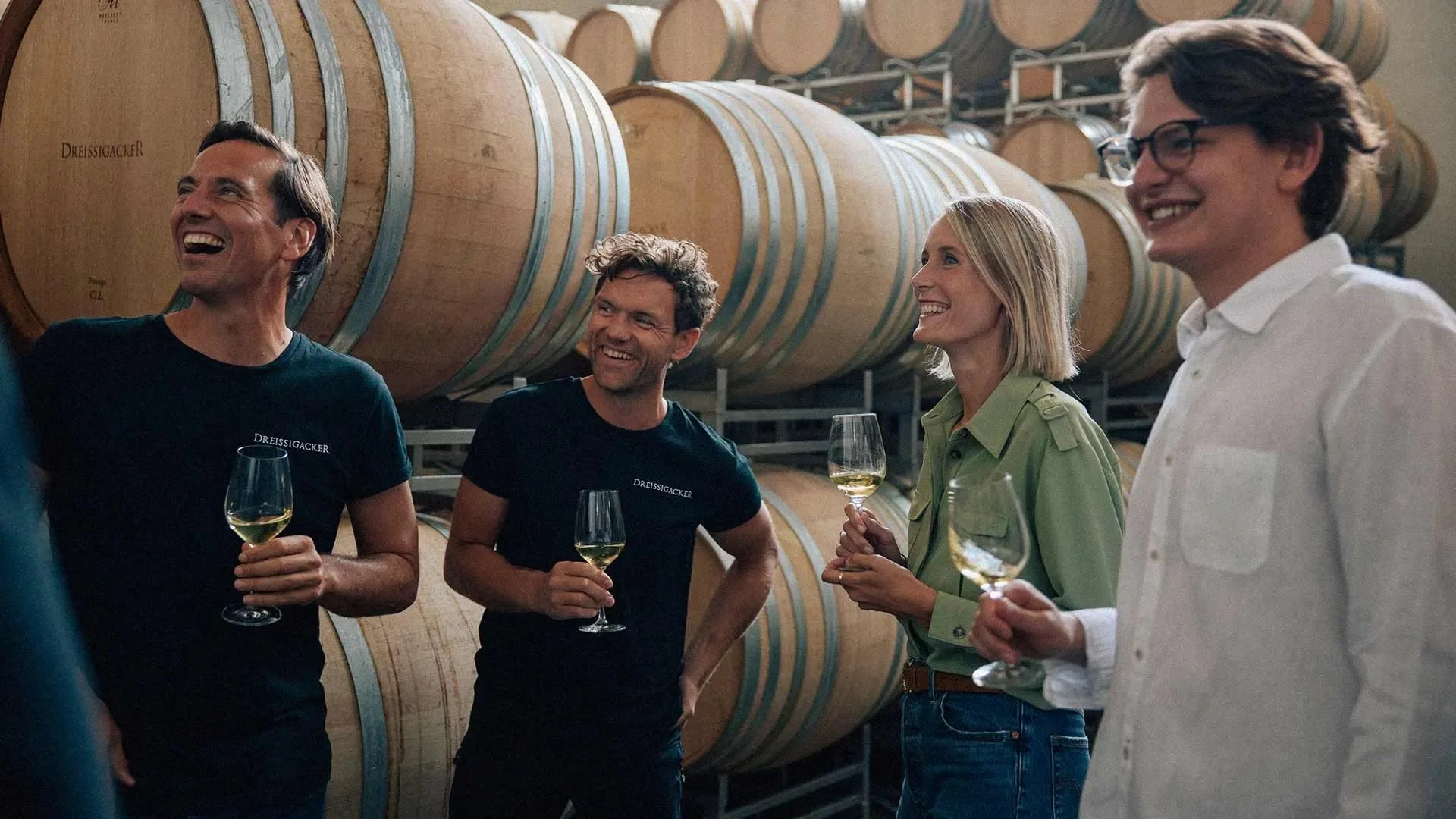
The Winery Team
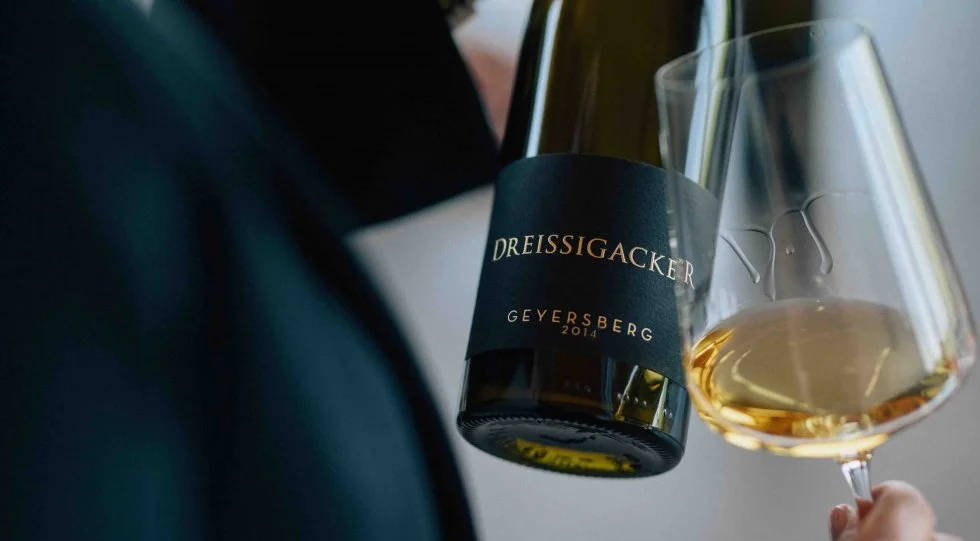
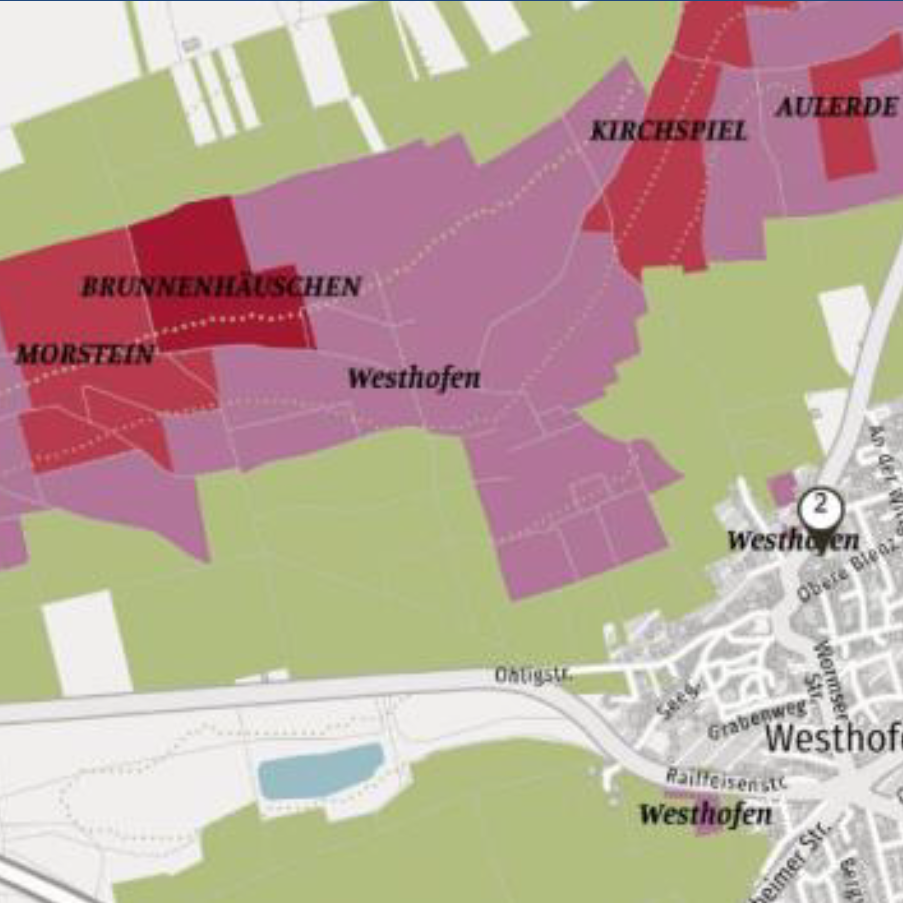
GGs of Westhofen
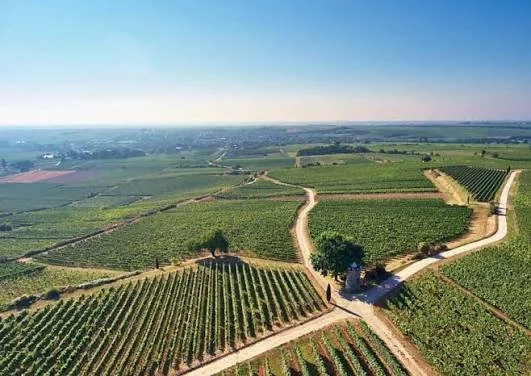
Kirchspiel GG
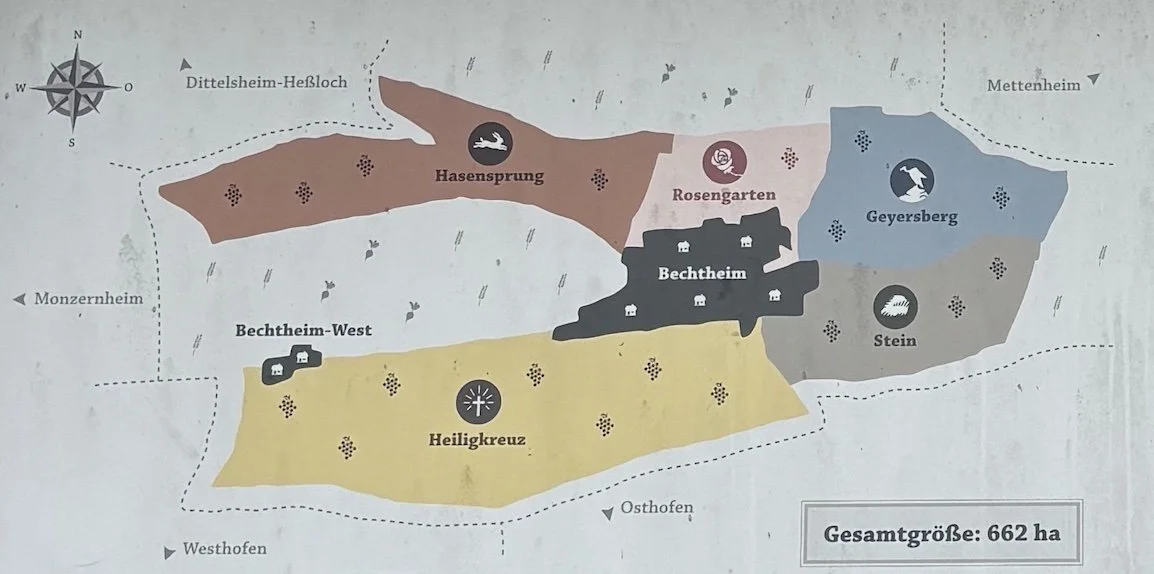
GGs of Bechtheim
Their STory
A Rheinhessen Story Rooted in Limestone
In the small village of Bechtheim, in Germany's Rheinhessen wine region, a winery's story began not with wine at all, but with the land itself. Records trace the estate back to 1728, when founding father Jacob Sauer farmed a range of crops and successfully cultivated a vineyard, laying the groundwork for generations to come. It would be nearly two centuries before the family's focus shifted fully to winemaking, when Adolf Sauer III began exporting the estate's wines to England in the early 20th century.
The name Dreissigacker entered the story in 1952, when Philipp Dreissigacker, husband of Christa Sauer, took over the business. Four decades later, in 1991, Frieder and Ute Dreissigacker took the reins and made a defining decision: to abandon all other agricultural pursuits and dedicate the estate entirely to winegrowing.
The winery's modern chapter began with the next generation. In 2001, a young Jochen Dreissigacker pressed his very first wine, a dry Riesling from the Geyersberg vineyard. In 2005, at 39 years old, he formally took over the family estate, by then roughly 40 hectares, which has been certified organic since 2007. Under his direction, Dreissigacker rose quickly to become one of the defining organic estates of the Wonnegau. Today he's joined by his wife, Laura, at his side.
Jochen's philosophy has always been one of restraint. His approach is simple: intervene as little as possible in carrying the taste of the grape into the bottle. The goal is to translate the character of the soil and each individual site into the glass as naturally and gently as possible. That means long, painstaking days in the vineyard. The team often works up to 14 hours a day tending the separately managed plots, with a constant, careful study of each site's soil, slope, and vines.
For Jochen, organic farming was never a marketing decision. It reflects a belief that the healthiest vineyards produce the most honest and intentional wines. Yields are deliberately kept low through careful pruning and green harvesting, often thinning out a third of the crop, to concentrate the vines' energy into fewer, better developed grapes. Each parcel is farmed on its own terms, studied individually rather than managed by a single blanket approach. The estate has also earned recognition under the FAIR'N GREEN sustainability certification, a reflection of its wider commitment to the land and community beyond the vineyard itself. For Jochen and Laura, thoughtful farming isn't a step in the process. It's the foundation the estate is built on.
Bechtheim sits on Rheinhessen's oldest known winegrowing sites, on gentle slopes of loess and loam over active limestone bedrock, terrain often compared to the great terroirs of Burgundy. As early as 1780, the Prince of Leiningen issued a decree in Bechtheim creating Germany's first formal terroir demarcation, restricting vine planting to specifically designated plots. The estate's holdings today include the Bechtheim sites of Geyersberg, Hasensprung, and Rosengarten, as well as the celebrated Westhofen sites of Aulerde, Kirchspiel, and Morstein, with the south facing Geyersberg, on weathered limestone, serving as the heart of the estate and source of its deepest, most structured Rieslings.
Riesling makes up about two thirds of the plantings, alongside Pinot Blanc, Pinot Gris, Chardonnay, and Pinot Noir. In the cellar, only natural yeasts and gravity flow transfers are used. Most wines age in stainless steel to preserve freshness, while a smaller portion rests in wood for added length and harmony. The single varietal Rieslings are given time, resting on fine lees for a minimum of eighteen months, a patience that shows in wines of remarkable precision.
Between 2014 and 2018, the family built an entirely new winery among the Bechtheim vineyards, a pioneering step for the region, a physical expression of the same values that have carried the estate for nearly three hundred years: patience, precision, and an unwavering respect for the land.