
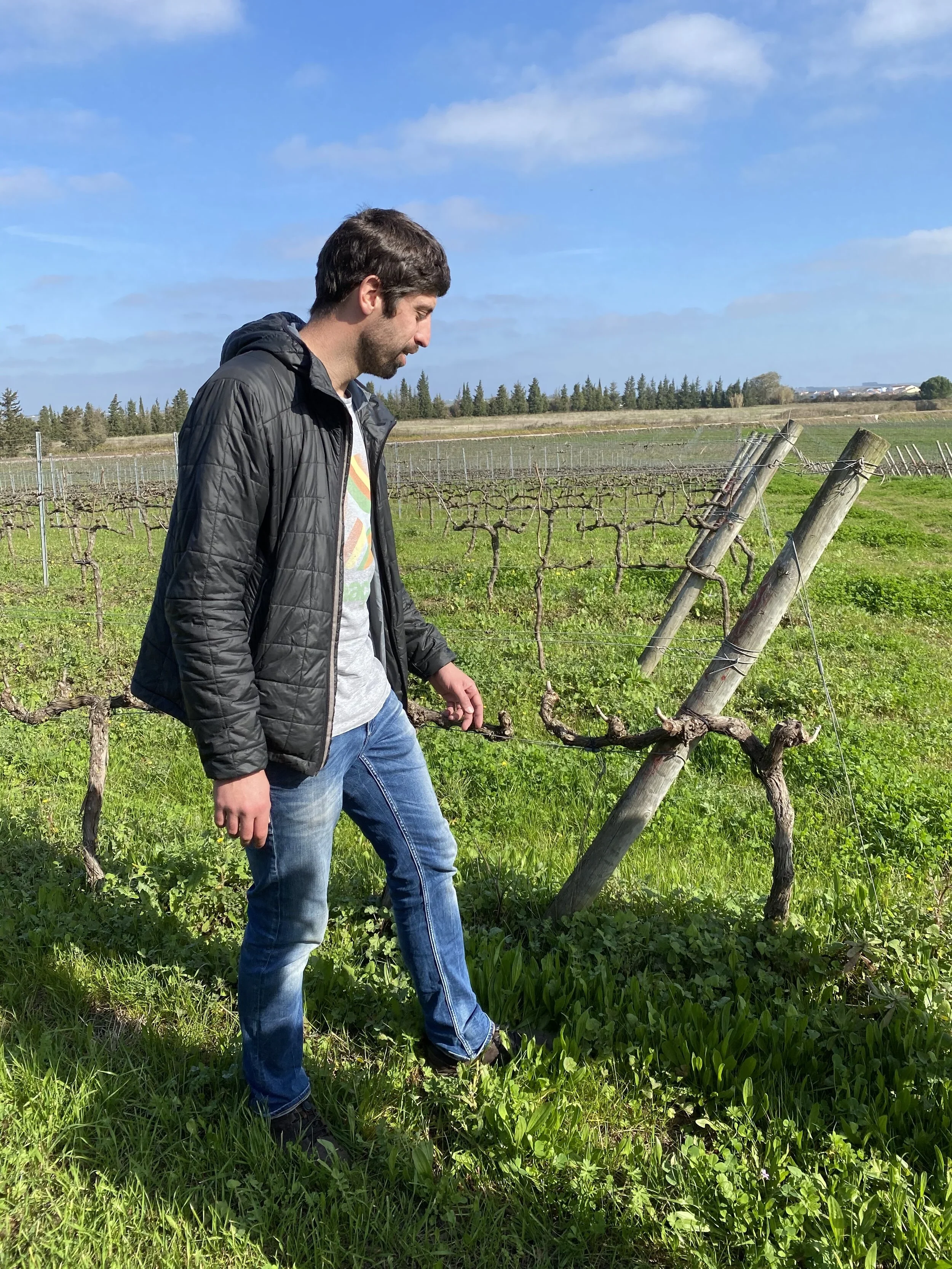

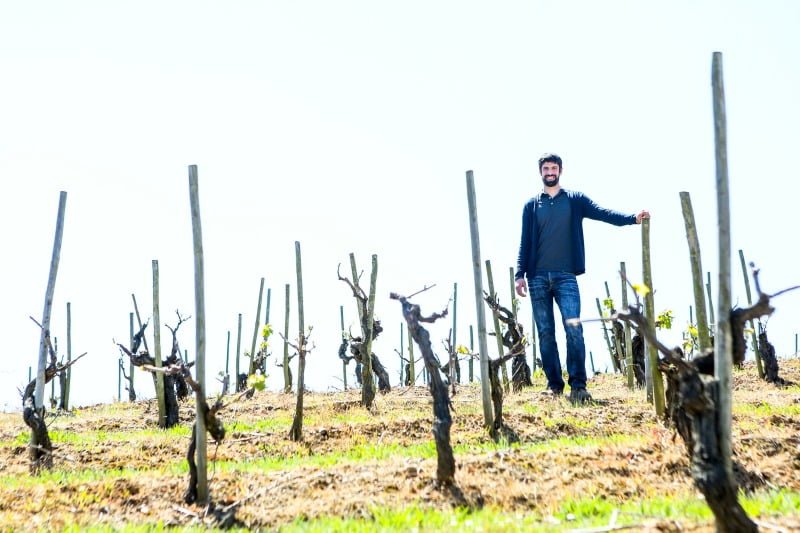
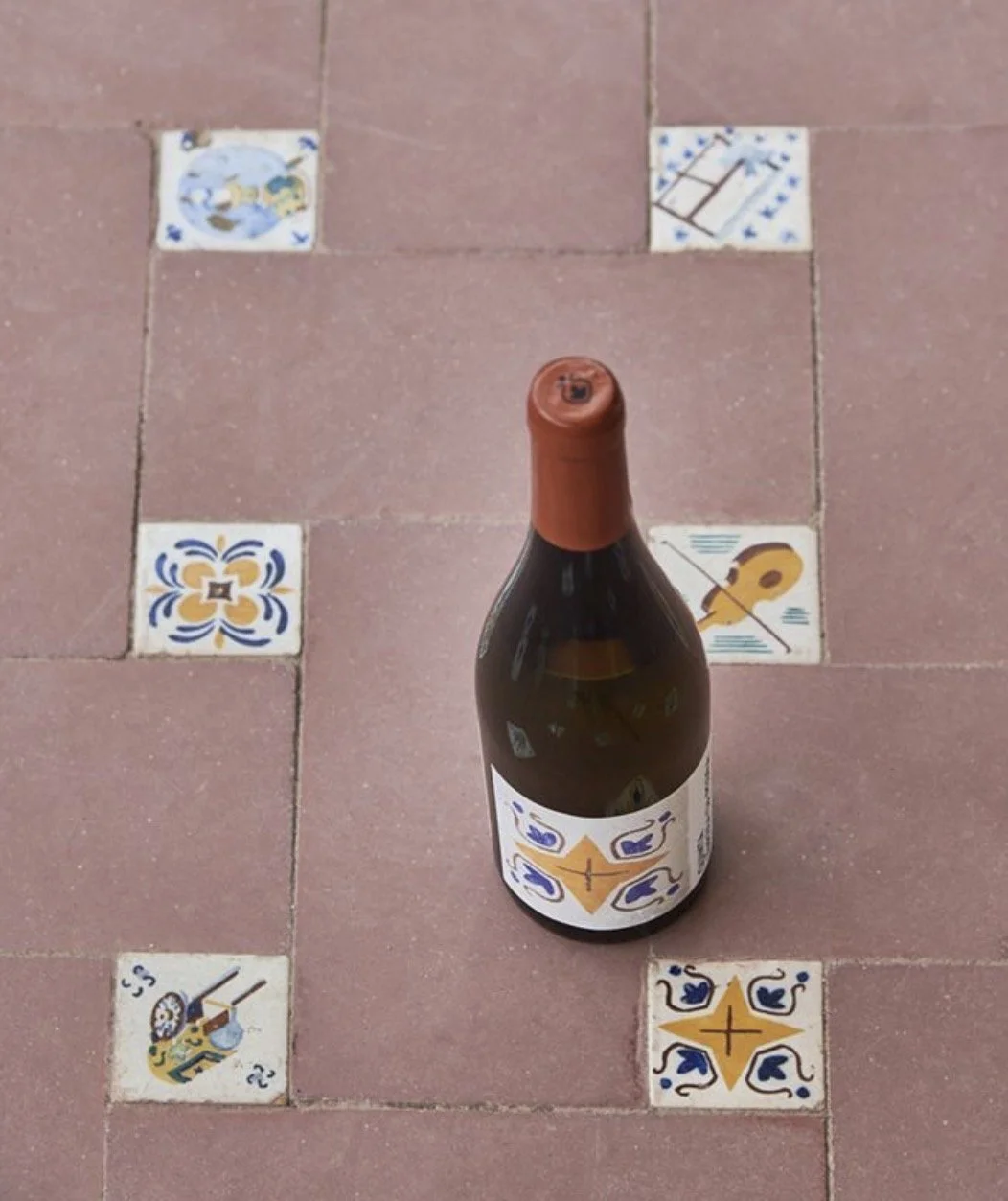
Quinta Várzea da Pedra is a family-run estate located in the Óbidos subregion of Lisboa in western Portugal, situated on rolling limestone hills not far from the Atlantic Ocean. The current project began in 2015, when brothers Tomas and Alberto, identified the remarkable potential of the family’s calcareous soils and maritime climate. Rather than relying on centuries of continuous estate bottling, the winery was established with a clear and intentional vision: to craft wines that express the distinctive character of Óbidos through careful vineyard management and thoughtful winemaking. From the beginning, the focus has been on precision, balance, and authenticity.
The team behind Quinta Várzea da Pedra combines expertise in organic viticulture, geology, and cellar work, unified by a belief in expressing place over manipulation. Their philosophy centers on elevating indigenous Portuguese varieties while maintaining structural clarity and freshness. By concentrating on terroir and long term vineyard health, they have contributed to a broader shift in how the Lisboa region is perceived, moving away from volume driven production toward wines of distinction and site specificity.
The estate’s vineyards are planted primarily on limestone and clay soils that provide both drainage and mineral backbone. The proximity to the Atlantic Ocean moderates temperatures and extends the growing season, allowing grapes to ripen slowly while preserving natural acidity. Plantings include traditional Portuguese white varieties such as Arinto and Fernão Pires, alongside red grapes including Castelão and Touriga Nacional. These varieties thrive in the region’s breezy climate, producing wines that combine ripe fruit with saline tension and structural definition.
In the cellar, Quinta Várzea da Pedra employs a restrained approach designed to preserve varietal identity and site expression. Fruit is harvested by hand and often fermented with native yeasts to capture the individuality of each parcel. Extraction is managed carefully in red wines to maintain elegance, while white wines frequently see extended lees contact to build texture without sacrificing freshness. Oak is used sparingly and with intention, serving as a structural element rather than a dominant flavor component. The resulting wines reflect the limestone soils and maritime climate of Óbidos, offering clarity, balance, and a strong sense of place.