

Their STory
Zorah: Six Thousand Years in the Making
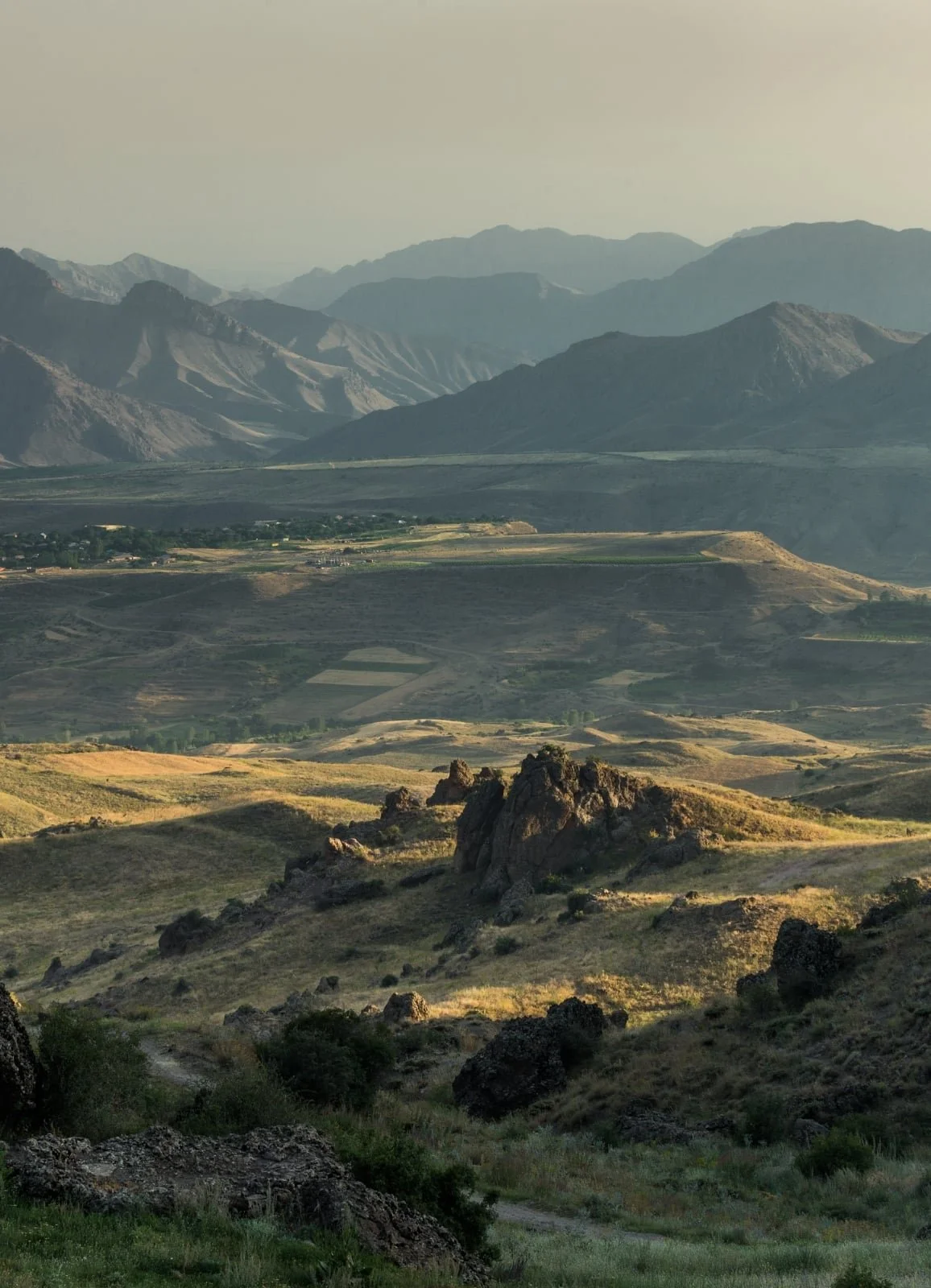
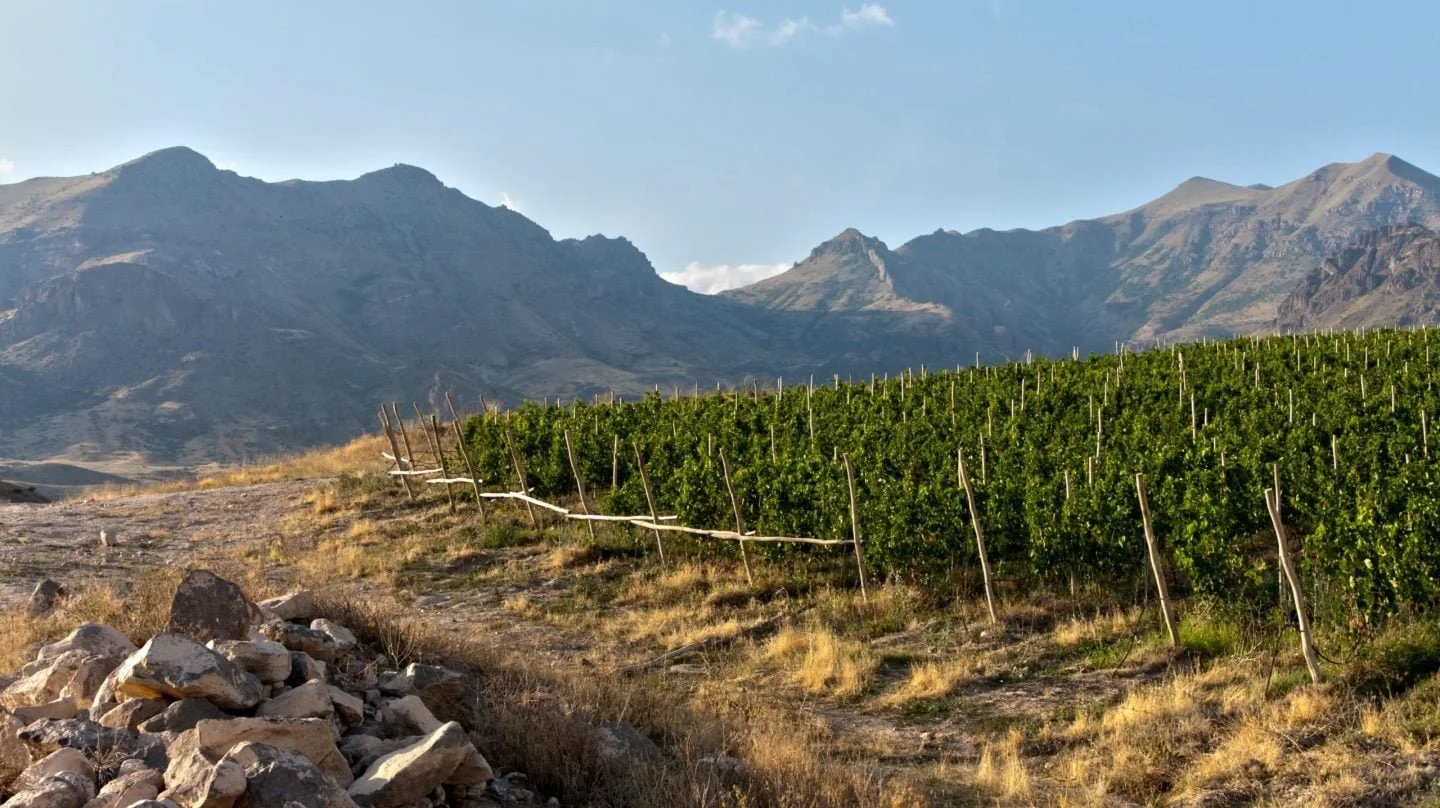
Some wineries write history. Zorah is built on top of it. In the mountainous Vayots Dzor region of southern Armenia, a country widely regarded as one of the oldest wine producing places on earth, Zorah's vineyards sit barely a kilometer from the Areni 1 cave, an archaeological site containing the world's oldest known winery. Radiocarbon dating traces winemaking here back roughly 6,100 years, to around 4100 BC, when ancient Armenians pressed grapes, fermented them, and stored the wine in clay vessels not unlike the ones Zorah still uses today.
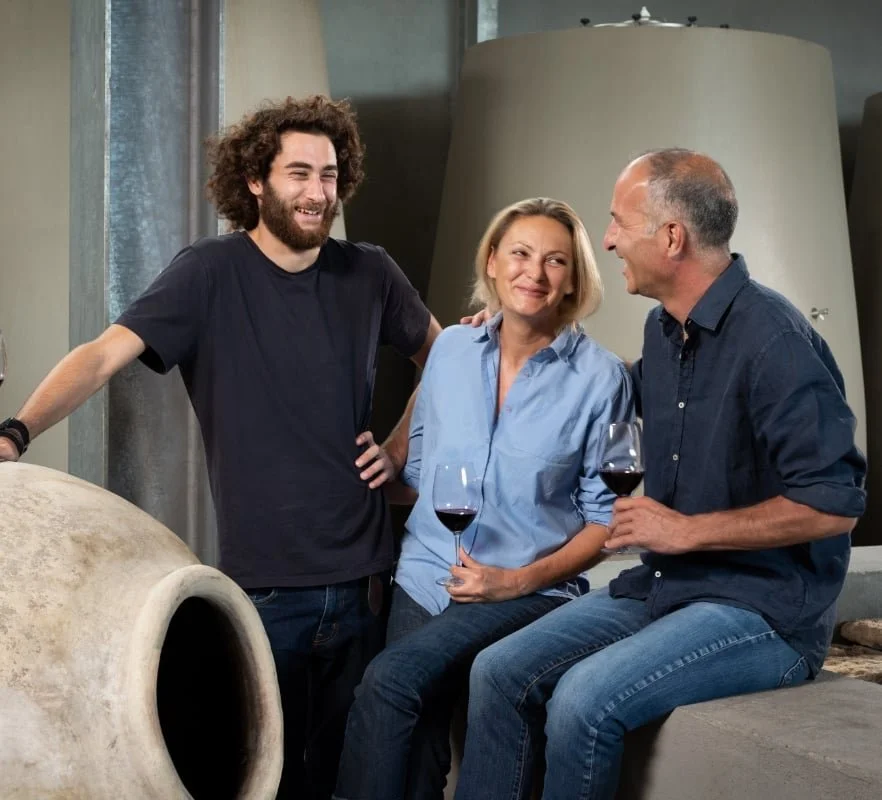
The estate's modern story begins with Zorik Gharibian, an Armenian who had built his career in fashion in Italy. Around the year 2000, rather than buying a vineyard in Tuscany as he had originally planned, Zorik chose to return to his roots and began acquiring plots of land in the village of Rind, in Vayots Dzor. It took over a decade of patient vineyard development before Zorah released its first commercial vintage in 2010: a wine called Karasi, made from 100 percent Areni Noir, Armenia's indigenous red grape.
That decision, to work exclusively with Armenia's own ancient grape varieties rather than international ones, has defined Zorah ever since. During seven decades of Soviet rule, Armenia's traditional dry wine culture and centuries old amphora winemaking were largely pushed aside in favor of brandy production. Zorik's work, alongside a local team of Armenian winemakers and collaborators including renowned winemaker Alberto Antonini, has been as much an act of cultural revival as it has been winemaking, reconnecting with practices that had nearly disappeared.
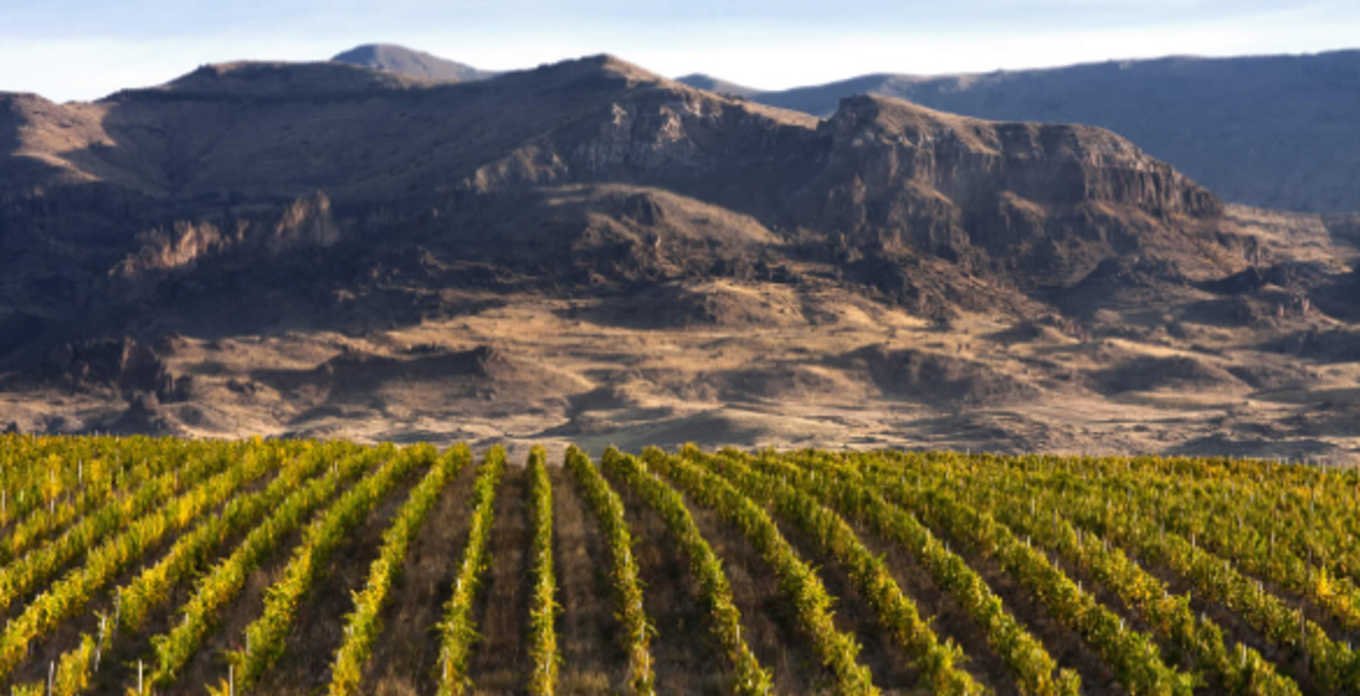
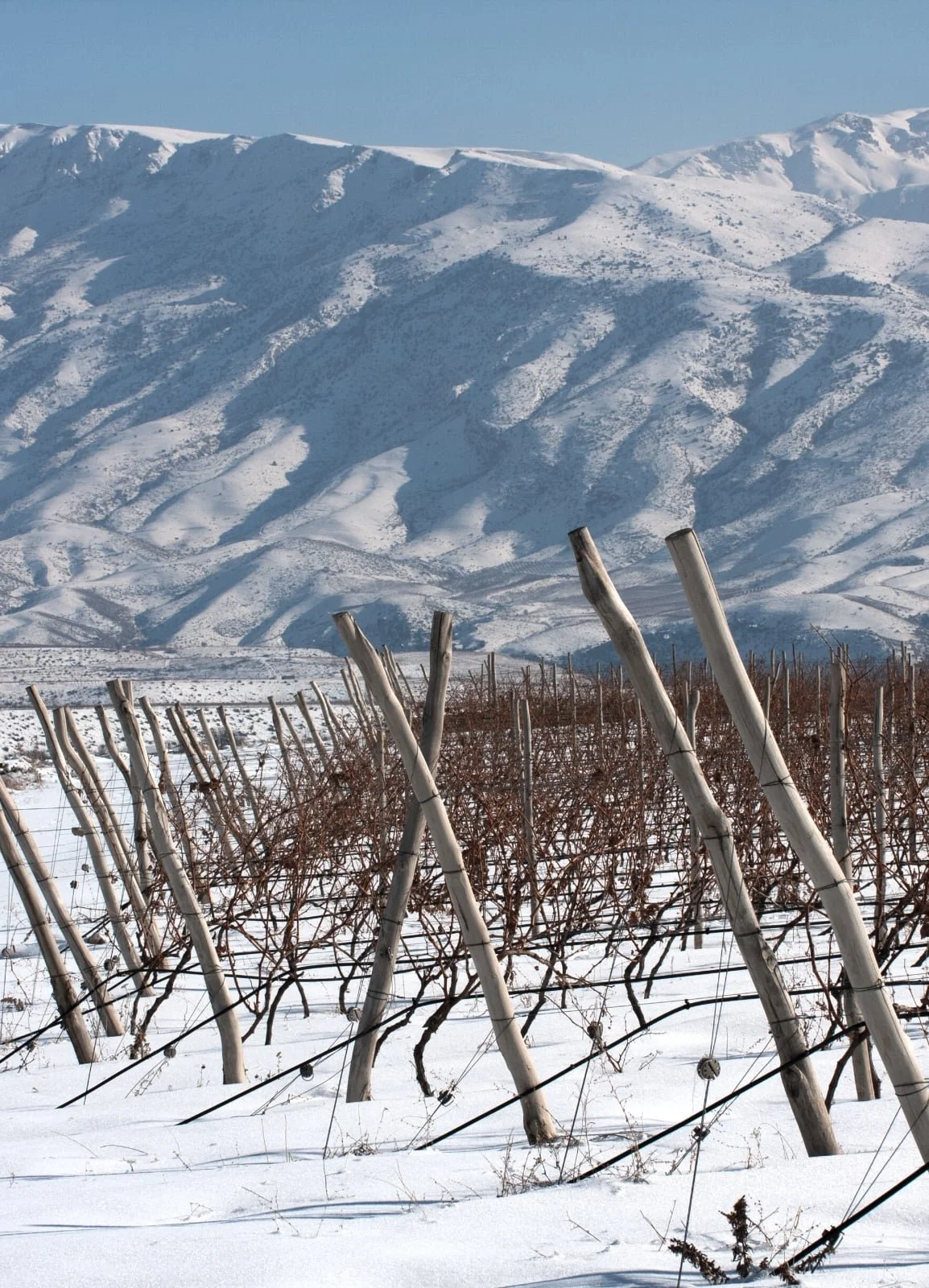
Zorah's vineyards are planted at extreme elevation, between roughly 1,400 and 1,600 meters above sea level, among the highest vineyard sites used for commercial wine production anywhere in the world. The altitude brings long, dry, sun filled summers paired with cool nights, a combination that allows the grapes to ripen slowly while retaining bright natural acidity.
Because the region was never touched by the phylloxera epidemic that devastated vineyards across Europe in the 19th century, Zorah's vines grow entirely on their own original rootstock, ungrafted, a rarity in the wine world today. The vineyards are farmed sustainably and organically, with minimal intervention treated as a guiding principle rather than a certification to check off. For Zorah, the goal has never been to impose a winemaking style on the grapes, but to preserve the truest possible expression of the fruit and the land it comes from.
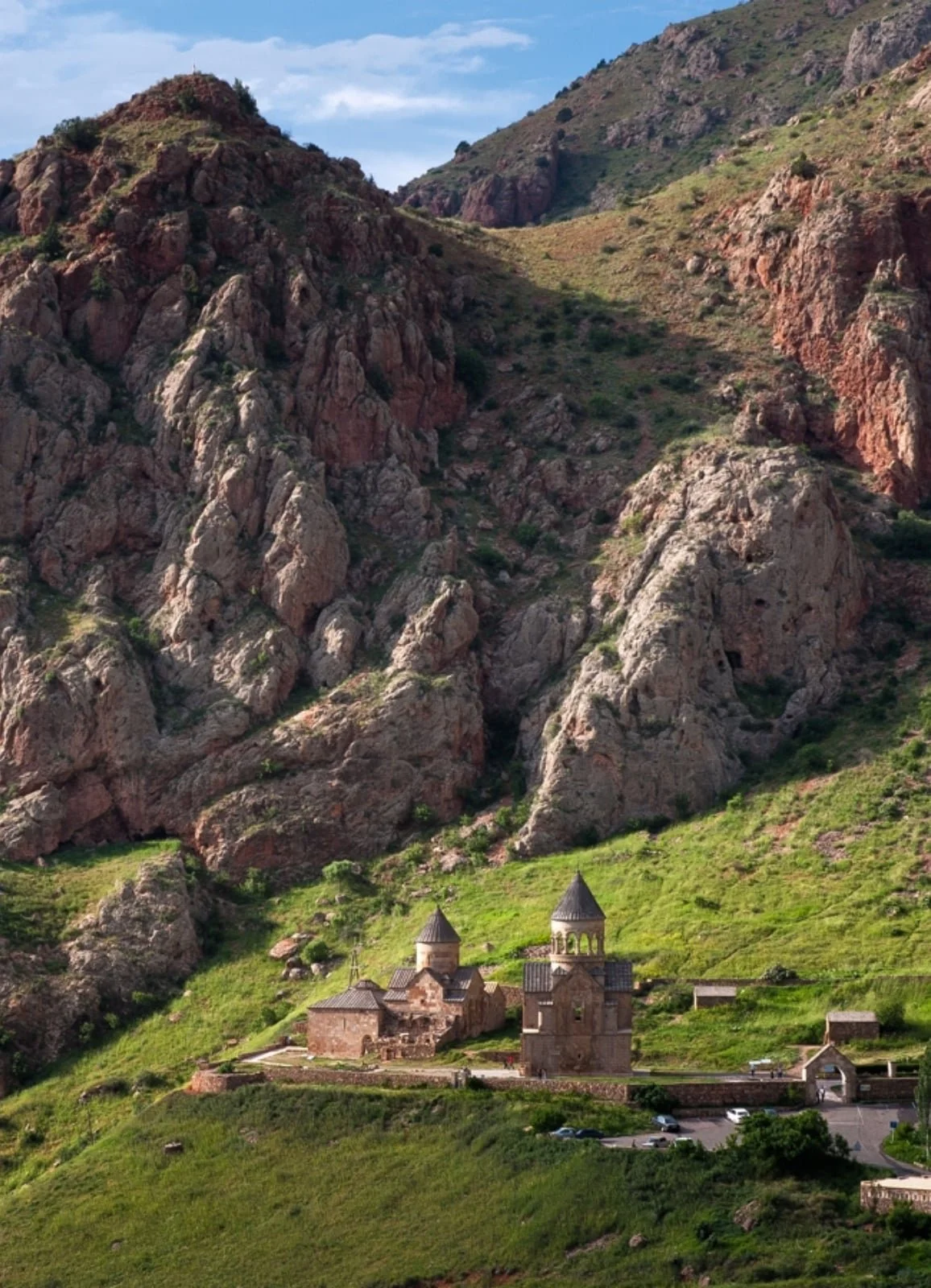
The soils around Rind are rocky and limestone rich, in places drawn from the abandoned vineyards of a thirteenth century monastery, layered over the volcanic geology that shapes much of the wider Vayots Dzor region. It's a combination of high mineral limestone and volcanic bedrock that gives Zorah's wines their distinctive tension, a bright, structured backbone beneath the fruit. Combined with the dramatic swing between hot days and cold mountain nights, this soil and altitude pairing is central to what makes Areni Noir grown here so different from the same grape planted at lower elevations.
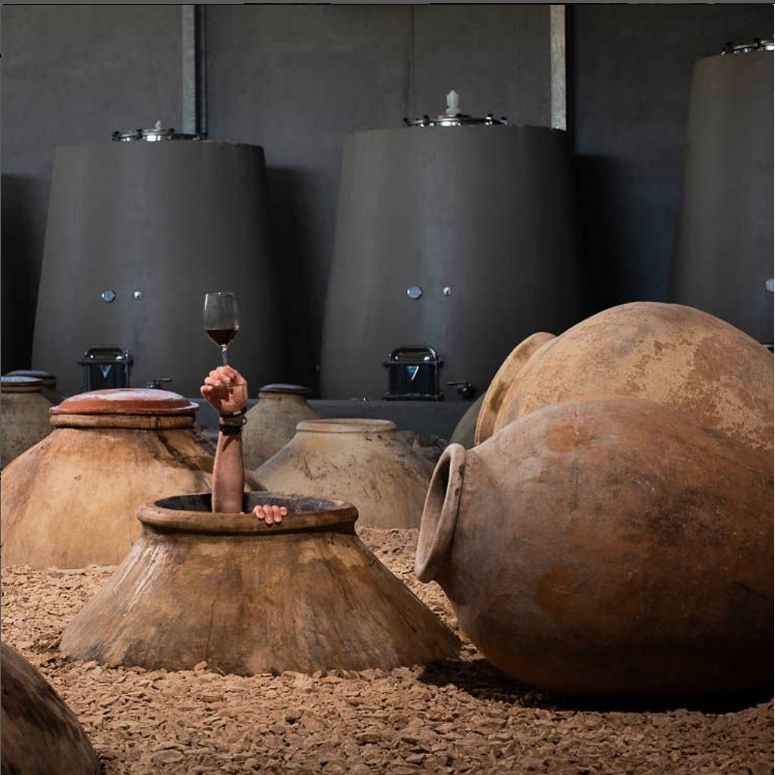
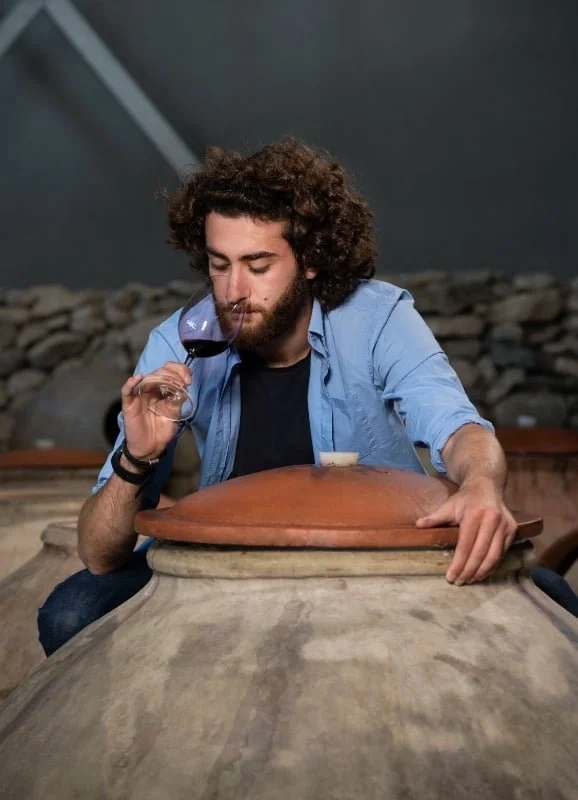
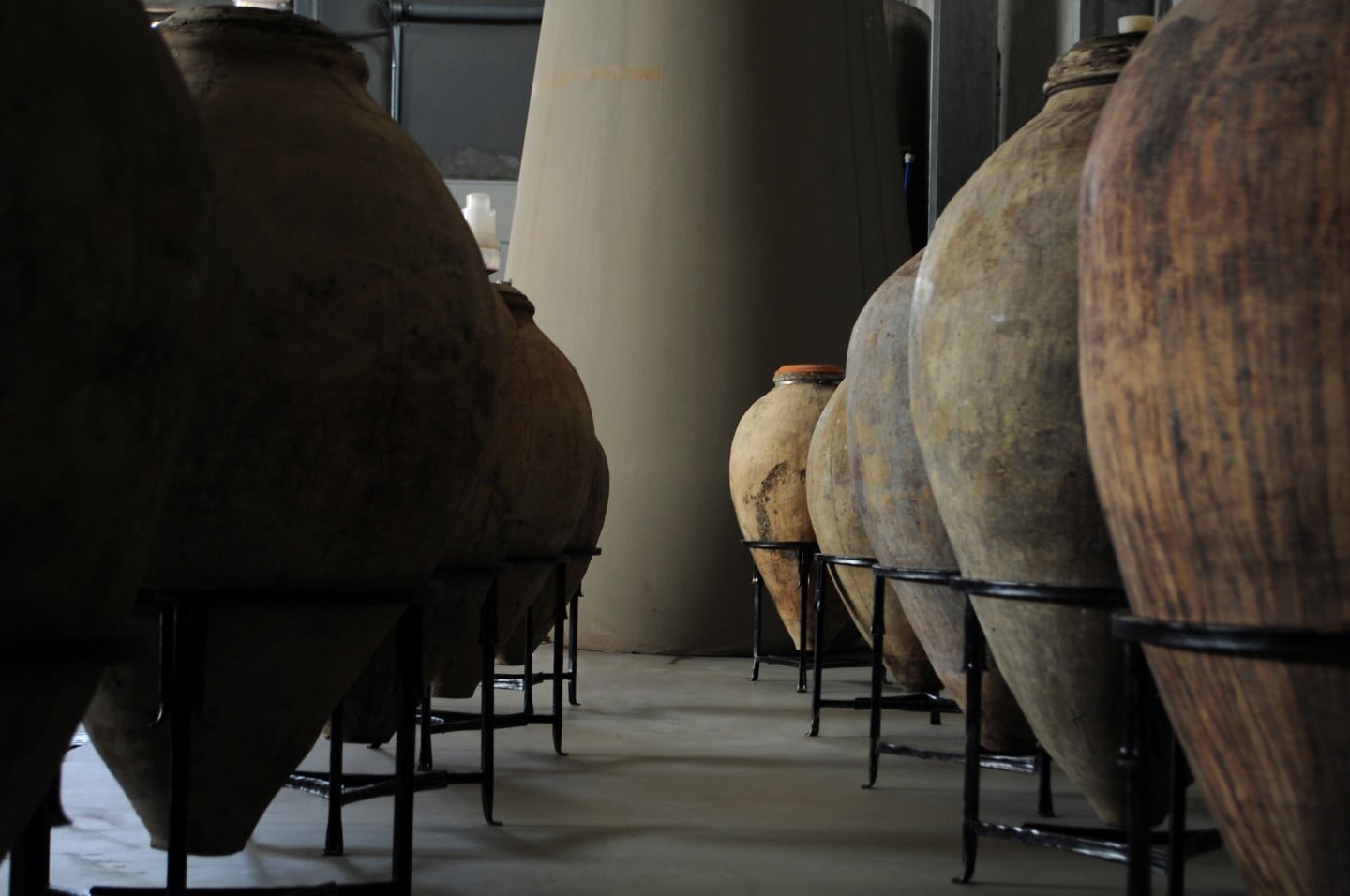
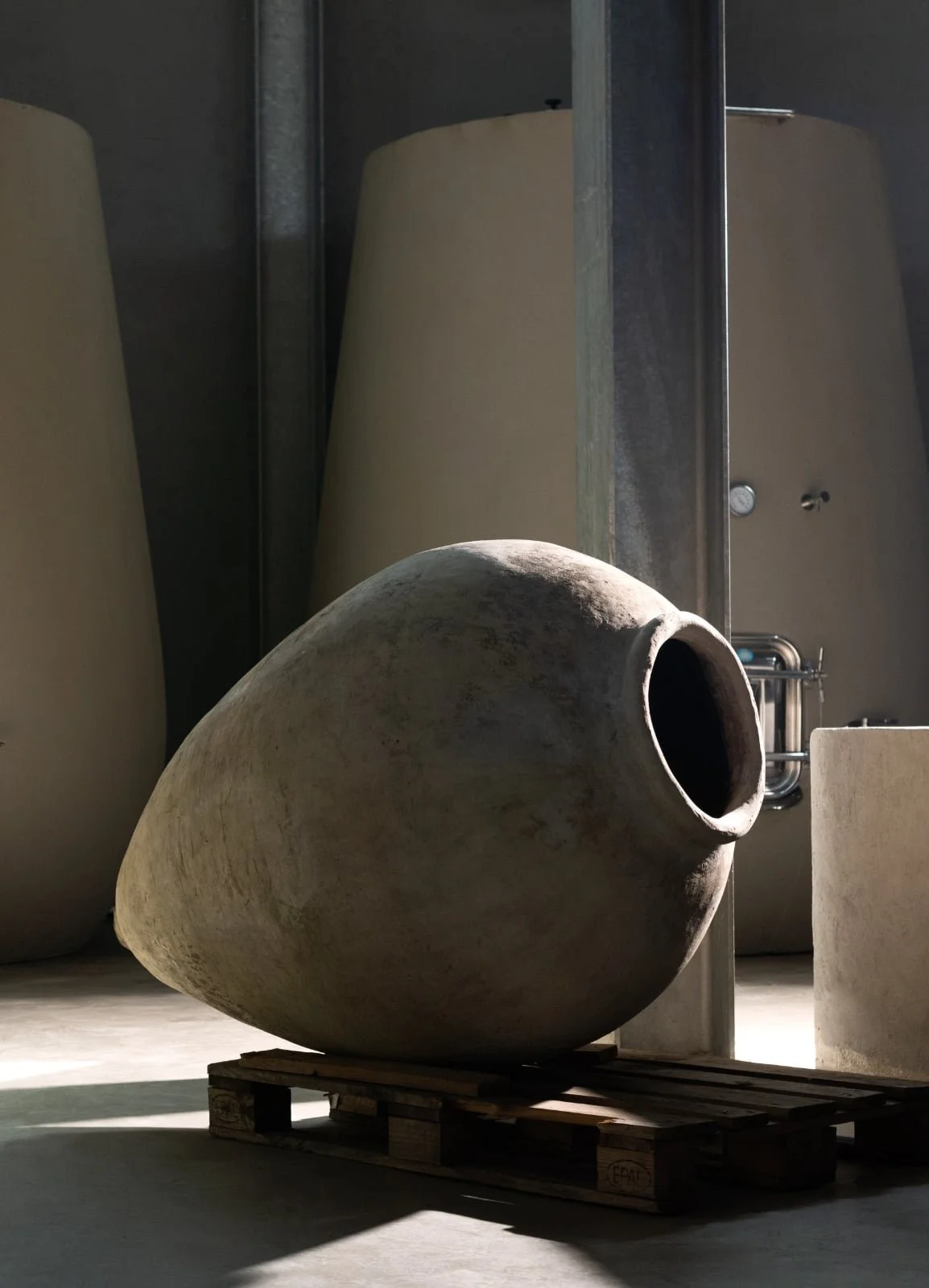
In the winery, that same respect for tradition continues. Fermentation happens with indigenous yeasts, and after time in concrete, the wine is aged for roughly twelve months in karasses, large traditional Armenian clay amphorae buried three quarters into the ground, just as winemakers here have done for millennia, before further aging in bottle. The vessels are a direct link to the Areni 1 cave next door, and to a winemaking lineage that stretches back further than almost anywhere else on the planet.
Today, Zorah is widely regarded as the producer that reintroduced Armenian wine to the world stage. Beyond its own bottlings, the estate also runs a heritage project dedicated to identifying and preserving endangered native Armenian grape varieties, work aimed at protecting a piece of viticultural history for the generations that follow, much as those first winemakers did six thousand years ago, a few hundred meters up the road.